Table of Contents
- Water Spilling Over the Front Edge
- Plants Growing in Your Gutters
- Water Dripping Behind the Gutter
- Clogged Downspout Signs and Overflow
- Stains on Fascia or Siding
- Sagging Gutters and When to Call a Repair Company
- How Often to Clean Gutters
- Conclusion
- Frequently Asked Questions
Last Updated: October 11, 2026
Water Spilling Over the Front Edge
Water cascading over the front edge of your gutter is one of the clearest signs your gutters need cleaning. When gutters overflow during rain, water misses the downspout entirely and spills down your fascia, siding, and foundation instead. This happens when debris clogs the channel and prevents water from flowing freely toward the downspout.
The problem compounds quickly. Overflowing water can stain your siding, damage your foundation, and create pooling near your home’s base. On the Palouse, where we see heavy spring runoff and occasional intense storms, overflow happens fast when gutters are packed with cottonwood fluff, loess dust, and pine needles.
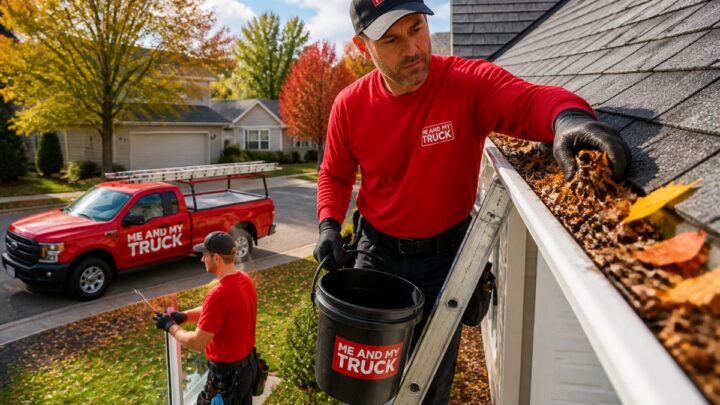
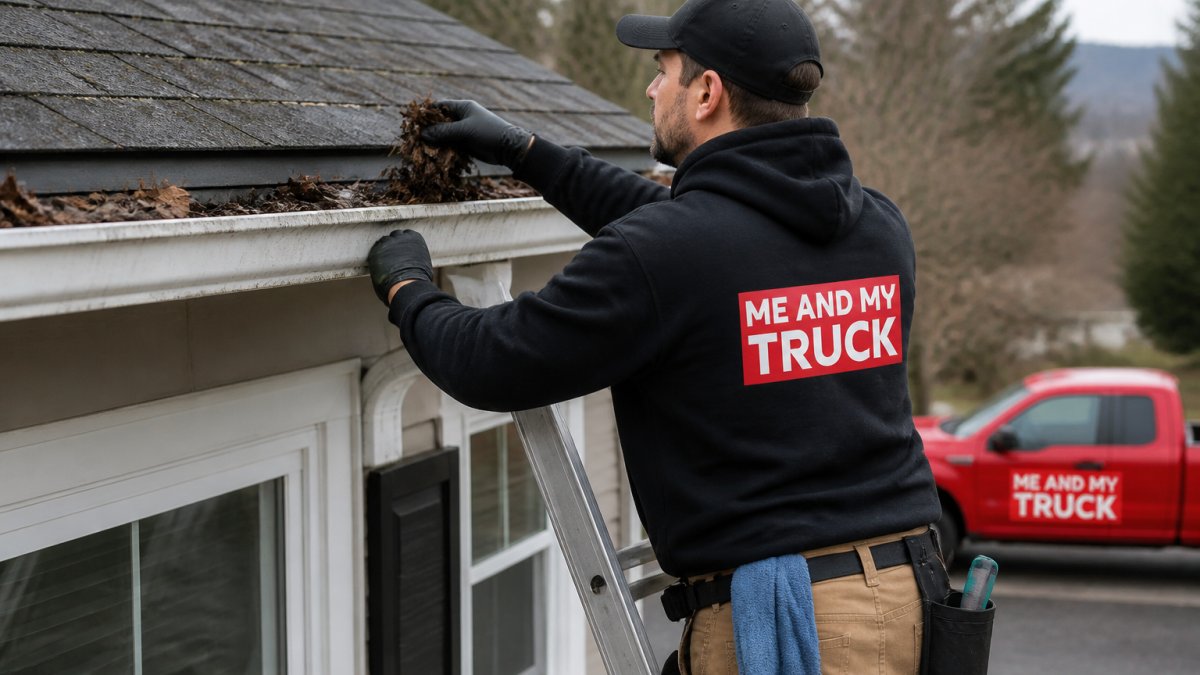
You’ll spot this during or right after rain. If water pours over the sides instead of draining through the downspout, your gutters need cleaning. This is exactly the kind of job Me And My Truck handles by hand, hauling away every bit of debris so water flows where it should.
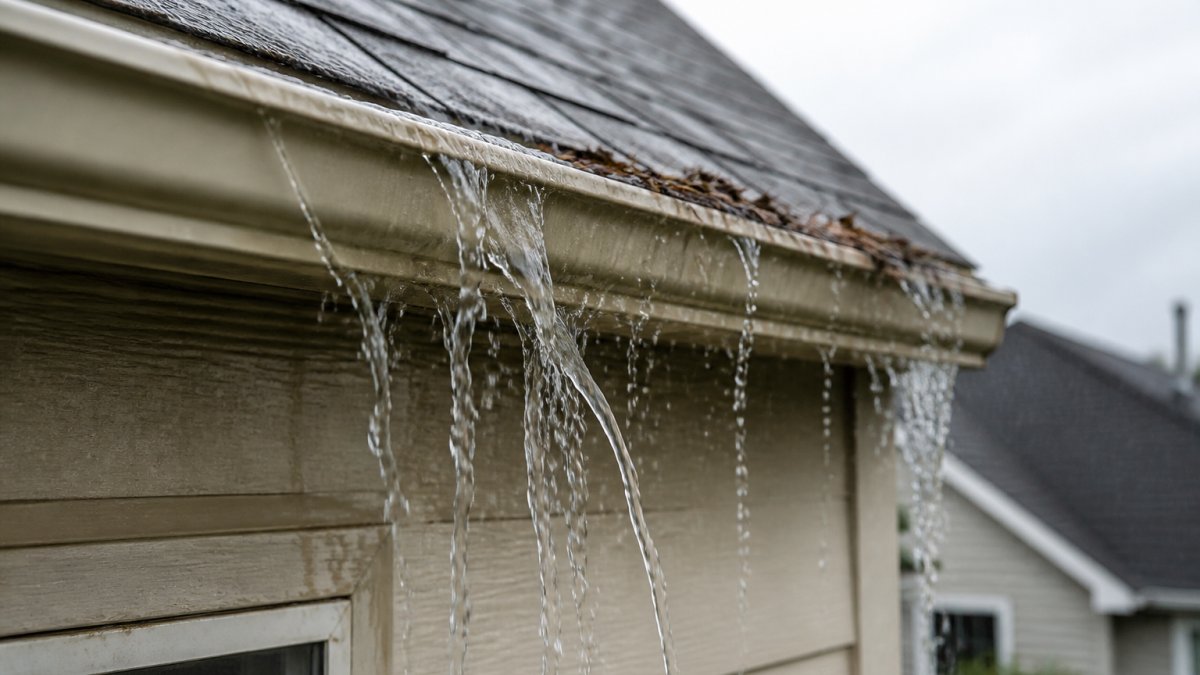
Check your gutters during the next rain. If water spills over the front edge, you’ve got a clog. Don’t wait for the next storm to get it cleaned out, standing water and overflow damage compound over time.
Plants Growing in Your Gutters
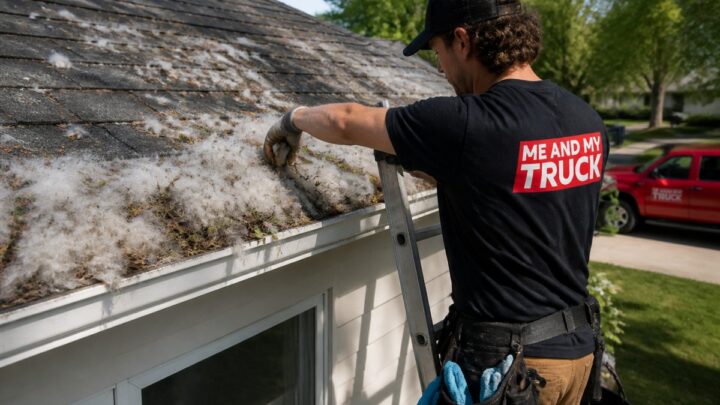
When you see plants sprouting from your gutters, that’s a sign they’re packed with organic matter and moisture. Seeds from trees, wind-blown soil, and decomposing leaves create the perfect growing medium. Plants growing in gutters need cleaning immediately because they trap even more debris and hold water against your fascia.
The roots of these plants can damage gutter seams and fasteners over time. More importantly, the extra weight and moisture create conditions for rust and corrosion. On the Palouse, cottonwood seeds are notorious for this, they germinate easily in the rich debris buildup that collects in gutters.
Look at your gutters from the ground with binoculars or from a safe vantage point. If you see green growth, moss, or small plants, your gutters need cleaning. This is one of the easiest signs to spot and one of the most important to act on.
Water Dripping Behind the Gutter
Water dripping behind the gutter, between the gutter and your fascia board, signals that water is backing up and finding gaps. This happens when gutters are clogged and water pools instead of flowing. The backed-up water seeps behind the gutter channel and drips onto your fascia, siding, and into your wall cavities.
Why this matters, and how to assess it:
Water behind the gutter is serious because the damage is hidden. Moisture trapped in that space can rot fascia boards, damage siding, and eventually reach the interior of your home. You might not notice the problem until staining or soft spots appear on your fascia or you see water marks on interior walls.
The good news: if you catch it early, cleaning often solves it. If gutters are simply clogged and backing up, removing the debris restores proper water flow and stops the dripping. The bad news: if water has been pooling behind the gutter for months or years, the fascia board may already be rotting, and cleaning alone won’t fix the structural damage.
How to check for water dripping behind the gutter:
After rain, look at your fascia board from the ground or a safe ladder position. Look for:
- Water actively dripping or running down the fascia
- Dark stains or discoloration on the fascia board
- Soft or spongy spots when you gently press the wood (sign of rot)
- Peeling paint or caulk separating from the fascia
- Visible gaps between the gutter and the fascia
If you see active dripping or fresh water marks, cleaning your gutters should stop it. If you see old stains, soft wood, or signs the problem has been building for a while, the fascia may need repair or replacement, that’s a job for a qualified gutter or carpentry company.
Next steps:
Clean your gutters promptly. Once gutters are clean, water should flow forward into the downspout, not backward. After cleaning, monitor the fascia during the next few rains. If dripping stops and no new stains appear, the problem was just a clog. If dripping continues or you’ve found soft wood, contact a repair company to assess the fascia and determine whether repair or replacement is needed. Delayed action on hidden water damage can lead to rot that spreads into wall framing and becomes much more costly to fix.
Clogged Downspout Signs and Overflow
Downspout blockages are a major cause of gutter overflow. When downspouts clog with debris, water backs up into the gutter channel and overflows at the front edge or sides. You might see water pooling around the base of your downspout or water flowing out sideways instead of down.
How to spot a clogged downspout from the ground:
During or right after rain, walk around your home and watch where water exits your downspouts. Water should flow steadily down and away from your foundation. If it’s trickling, backing up, or not flowing at all, the downspout is likely clogged. You can also do a simple hose test: run water into the top of the downspout (from inside the gutter) and see if it flows out the bottom. If water pools or backs up, there’s a blockage.
Common downspout clogs on the Palouse include:
- Leaves and cottonwood debris packed inside the pipe
- Bent or crushed sections blocking flow (especially after heavy snow or ice)
- Nests or debris from birds and rodents
- Sediment and silt buildup over time
- Elbows or joints where debris collects and compacts
Why downspout clogs matter:
A clogged downspout doesn’t just cause overflow at the gutter, it can lead to water pooling at your foundation, which seeps into basements and crawl spaces. Standing water near your home’s base is one of the fastest ways to develop foundation problems. On the Palouse, where spring runoff is heavy, a blocked downspout can turn a light rain into a water damage event.
When Me And My Truck cleans gutters, we clear downspouts and make sure water flows freely from the channel all the way to the ground. A clean downspout is just as important as a clean gutter channel. If you spot signs of overflow or pooling at the downspout outlet, don’t wait, get it cleaned out before the next heavy rain.
Stains on Fascia or Siding
Dark stains or discoloration on your fascia board or siding often indicate water damage from overflowing gutters. These stains show where water has been running down the side of your home instead of through the gutter system. Over time, these stains can indicate rot, mold, or mildew developing on the wood or siding.
Stains are a warning sign that needs attention. They show water has been escaping your gutter system and damaging the exterior of your home. On the Palouse, where moisture and humidity are common, these stains can develop quickly once gutters stop working properly.
Look at your fascia and siding, especially below gutter seams and downspout areas. If you see water stains, your gutters need cleaning. The stains themselves may fade once water flow is restored, but they’re a clear signal that overflow has been happening.
Sagging Gutters and When to Call a Repair Company
Sagging gutters that pull away from the roofline or dip in the middle are a different problem than clogging. Sagging is usually caused by loose or missing fasteners, damaged hangers, or the weight of standing water and debris over time. Unlike overflow from clogs, sagging is a repair issue that requires a qualified gutter repair company.
Me And My Truck cleans gutters and points out problems we spot during the work. If your gutters are sagging, we’ll let you know so you can contact a repair company. Sagging gutters won’t drain properly no matter how clean they are, so repair comes first, then cleaning.
Signs your gutters are sagging:
- Visible dips or low spots in the gutter line
- Gutters pulling away from the fascia
- Sections leaning or tilted at odd angles
- Fasteners or hangers that are loose or missing
If you notice sagging, call a gutter repair company to address the structural issue before scheduling cleaning.
Sagging and pulling gutters are repair jobs. Cleaning won’t fix them. Get the structure repaired first, then keep them clean to prevent future problems.
How Often to Clean Gutters
Most homes on the Palouse need gutter cleaning once or twice a year. Spring cleaning removes winter debris and prepares gutters for spring runoff. Fall cleaning clears leaves and cottonwood fluff before winter weather arrives.
The exact timing depends on your trees and environment. Homes surrounded by deciduous trees need more frequent cleaning. Homes with fewer trees nearby might get by with one annual cleaning. On the Palouse, cottonwood season is heavy, if you have cottonwoods nearby, plan on spring and fall cleanings.
Watch for the signs listed above. If you see water overflow, plants growing in gutters, or debris visible from the ground, don’t wait for your scheduled cleaning. Clean them sooner. Regular cleaning prevents the damage that comes from overflow and standing water.
Me And My Truck has worked Palouse homes since 1987. We know loess dust, cottonwood season, and what a Palouse winter does to gutters. We clean by hand and haul away every bit of debris so your gutters work the way they should.
Conclusion
Your gutters need cleaning when water spills over the front edge, plants grow in the channel, water drips behind the gutter, downspouts clog, or stains appear on your fascia. These are the signs to watch for. Sagging gutters are a different issue, that’s a repair job for a gutter company, not a cleaning.
Clean gutters once or twice a year to prevent overflow damage and keep water flowing away from your home.
Call or text (208) 882-5641 or send a photo for a free quote.
Frequently Asked Questions
What does it mean when water spills over the front edge of a gutter?
Water spilling over the front edge usually means your gutter is clogged with debris or hasn’t been cleaned recently. When leaves, twigs, and sediment block water flow, rainfall backs up and overflows instead of draining through the downspout. This is one of the most common signs your gutters need cleaning. If you notice this during rain, schedule a cleaning soon to prevent water from pooling near your foundation.
How often should I clean my gutters?
Most homes benefit from gutter cleaning once or twice a year. If you live in an area with heavy debris like cottonwood season or loess dust, you may lean toward twice yearly. The best time is after leaves fall and again in late spring. Me And My Truck cleans gutters by hand and hauls away every bit of debris; we’ve worked Palouse homes since 1987 and know loess dust, cottonwood season, and what a Palouse winter does to gutters.
Why is water dripping behind my gutter?
Water dripping behind the gutter means water is overflowing the back edge instead of flowing through the downspout. This typically happens when debris blocks the gutter or when the gutter has settled and no longer slopes toward the downspout. When water drips behind the gutter, it runs down the fascia and can cause rot, mold, and water damage to the structure beneath. This is a sign you need cleaning soon, or if the gutter is damaged or misaligned, you may need to call a qualified gutter repair company.
What are signs of a clogged downspout?
A clogged downspout often shows water overflowing at the base where the downspout connects to the gutter, or water backing up in the gutter even when it’s not raining heavily. You might also notice water pooling near the foundation or draining slowly after rain. If water doesn’t flow freely through the downspout, debris is likely blocking it. Cleaning the gutter and downspout together will restore proper drainage and protect your foundation from water damage.